Watering Tropical Fever
Epip Skeleton Key Pothos
Epip Skeleton Key Pothos
Hindi ma-load ang availability ng pickup
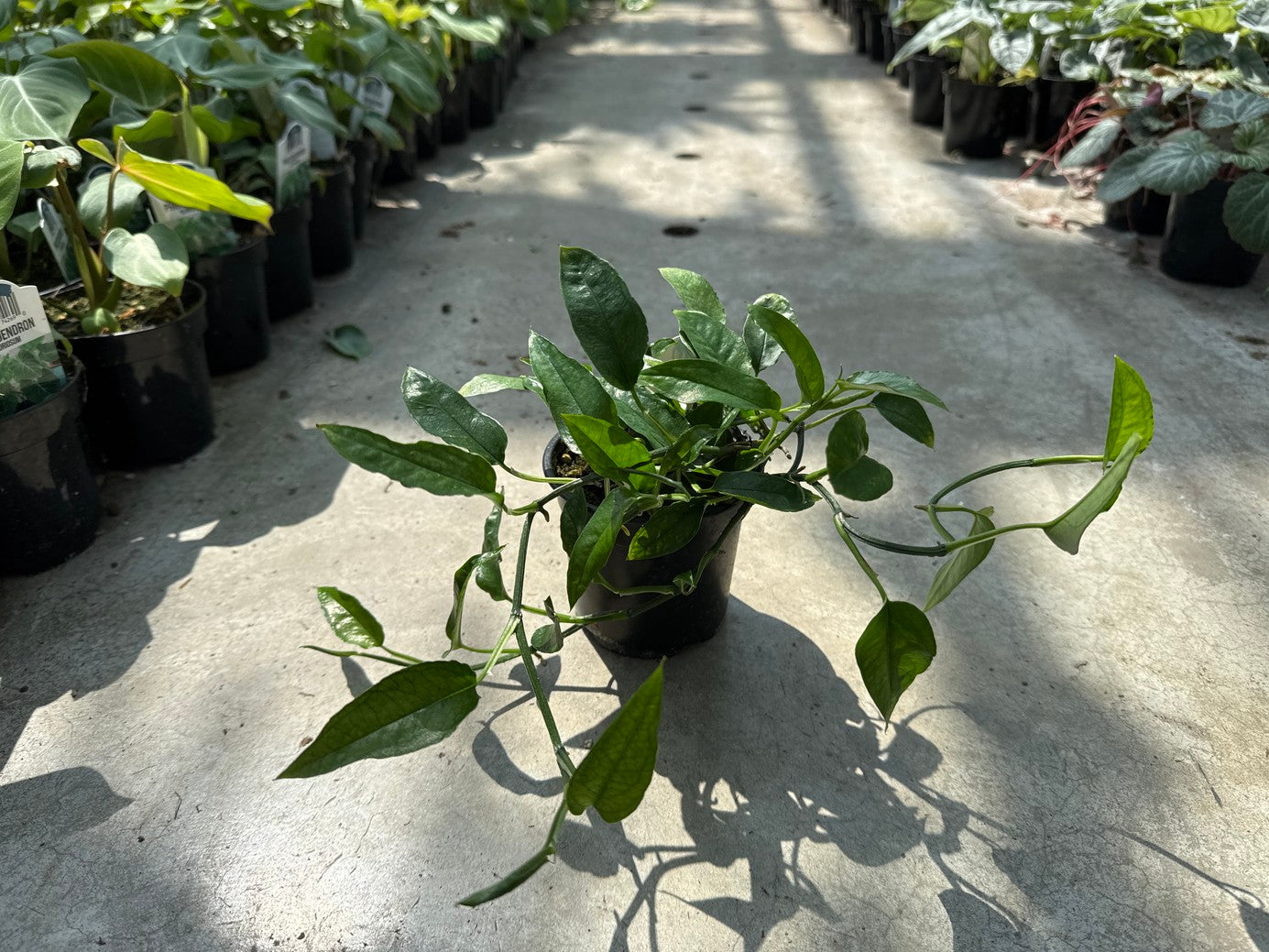
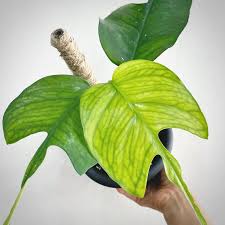
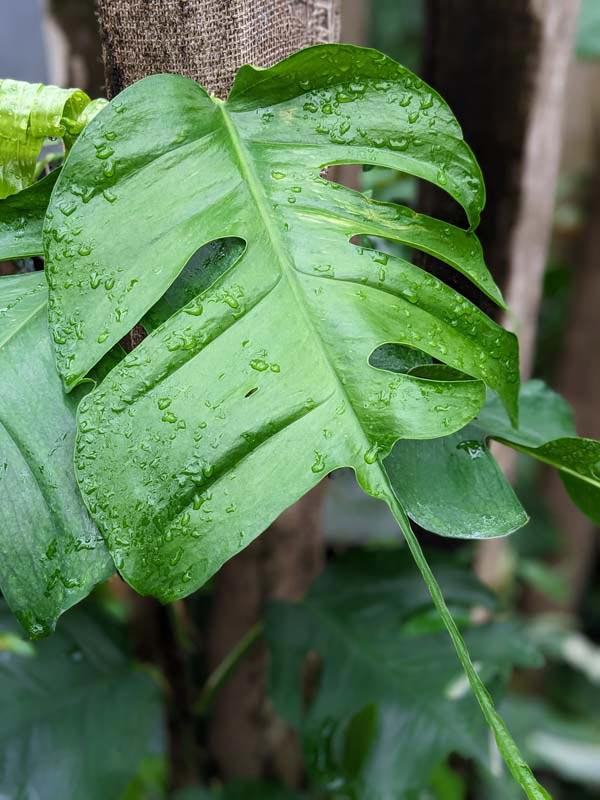
Epipremnum ‘Skeleton Key’, commonly known as Skeleton Key Pothos, is a fascinating tropical climbing aroid prized for its unusual, elongated leaves. As the plant matures, its foliage develops distinctive splits and openings that resemble the shape of an old-fashioned skeleton key. Its dramatic foliage and climbing growth habit make it a standout addition to any aroid collection.
🌿 Plant Care Guide
Light
-
Prefers bright, indirect light.
-
Can tolerate moderate light, but growth may slow.
-
Avoid harsh direct sunlight.
-
Consistent lighting encourages healthy leaf development.
Water
-
Water when the top 1–2 inches of soil become dry.
-
Allow excess water to drain completely.
-
Avoid keeping the roots constantly wet.
-
Reduce watering during cooler winter months.
Humidity
-
Prefers humidity levels of 60–80%.
-
Higher humidity encourages larger, healthier leaves.
-
A humidifier can help maintain consistent conditions.
-
Good airflow is important to prevent fungal issues.
Temperature
-
Ideal temperature: 18–29°C.
-
Avoid temperatures below 15°C.
-
Protect from cold drafts and sudden temperature changes.
Soil
-
Requires a chunky, airy, well-draining aroid mix.
-
Recommended mix:
-
Orchid bark
-
Coco coir or coco chips
-
Perlite or pumice
-
Worm castings
-
A small amount of sphagnum moss
-
Fertilizer
-
Feed every 2–4 weeks during spring and summer.
-
Use a balanced liquid fertilizer diluted to half strength.
-
Reduce feeding during fall and winter.
🌱 Growth Habits
-
Growth habit: Climbing tropical aroid.
-
Growth rate: Moderate to fast.
-
Produces elongated leaves with distinctive mature foliage.
-
Develops more dramatic leaf shapes when allowed to climb.
-
A moss pole or plank encourages larger, mature leaves.
-
Easily propagated through stem cuttings containing nodes.
⚠️ Common Problems
-
Yellowing leaves: Overwatering or poor drainage.
-
Brown leaf edges: Low humidity or inconsistent watering.
-
Small leaves: Insufficient light, nutrients, or climbing support.
-
Leggy growth: Insufficient light.
-
Slow maturation: Lack of vertical climbing support.
❤️ Fun Fact
Many climbing Epipremnum varieties undergo dramatic leaf transformations as they mature. Providing a moss pole gives the plant an opportunity to develop its more impressive adult foliage.
Ibahagi